
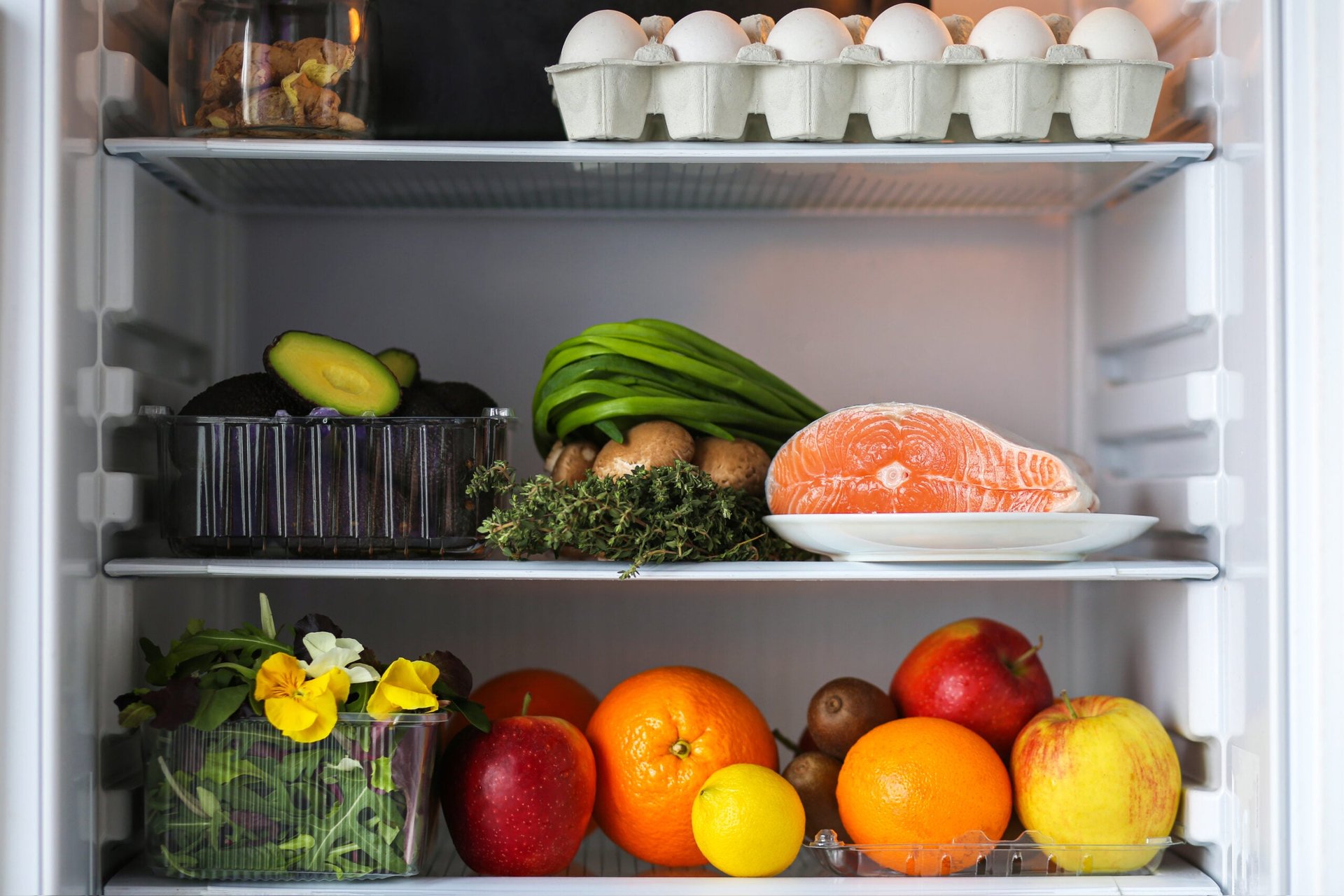

I like to think I run a relatively intentional kitchen. Living with two working adult children means our schedules are constantly colliding, but we communicate. We share a grocery list. We plan our meals.
Every three or four months, I do a full kitchen audit. I pull everything out of the fridge, freezer, and pantry to check expiration dates, consolidate open bags, and wipe down the shelves. It usually feels like a productive reset.
You hear those statistics about the average family wasting thousands of dollars on food every single year. In fact, recent data suggests the average American household throws out more than $3,000 worth of groceries annually. That does not include me, does it?
I looked at the pile of rejected food accumulating on my counter. It was not a mountain of neglect, but rather the casualty of shifted plans and forgotten leftovers. Not a huge amount — I thought.
Out of morbid curiosity, I pulled out my phone and calculated the replacement cost of everything destined for the trash. The final tally was $270.36.
The physical evidence
Seeing that number on my calculator was sobering. It happened so easily. A late night at the office here, an impromptu dinner out there, and suddenly you are throwing away a car payment.
Here is the exact breakdown of the waste. The dollar amount is bad enough, over $1,000 a year, but the quantity of food items is just as terrible. What a waste.
- Whey protein powder ($44.99): I moved this to the back of the pantry shelf through at least three audits, telling myself someone would finish it. Nobody did. It expired quietly, taking $45 with it.
- Bulk protein bars ($30.99): Purchased at a warehouse club for quick mornings. Nobody actually liked the chalky peanut butter flavor, so they sat in the pantry until they expired.
- Specialty coffee beans ($16.99): One of my kids went through a cold brew phase that lasted approximately two weeks. The beans did not survive to see a second batch.
- Frozen shrimp ($22.99): Bought with the best intentions for a healthy weeknight stir fry. The bag slipped behind a box of frozen waffles and suffered heavy freezer burn.
- Deli roast beef ($20.45): We ate a few sandwiches, and then the kids both ended up working late three days in a row. A pound and a half of good meat turned slimy before we could finish it.
- Truffle pesto ($14.50): I bought this for a pasta night and used exactly two tablespoons. Because it was a fresh variety, it only had a week-long window once opened. It grew a fuzzy white coat before my next audit.
- Gruyere cheese ($13.25): I bought a block for a specific recipe, used half, and wrapped the rest poorly. It became hard and moldy in the cheese drawer.
- Raw chicken thighs ($12.99): Bought for a curry that never happened. Life got in the way, then another day passed, and by the time I remembered it was there, the decision had already been made for me.
- Frozen veggie burgers ($12.99): Someone’s brief plant-based phase. They are back to eating everything — except the expired veggie burgers.
- Frozen pizza ($10.99): Our emergency backup dinner. The plastic wrap somehow tore open in the drawer, turning the crust into an icy, dried-out disk.
- A jar of arrabbiata sauce ($9.50): We only needed half the jar for a quick pasta night. I found the remainder shoved to the back of the top shelf, sporting a fuzzy green lid.
- A jar of tahini ($8.99): Bought to make homemade hummus exactly once. The oil separated, so I stirred it back together and then never opened it again.
- Artisan sourdough ($8.50): A gorgeous loaf from the local bakery. We enjoyed it for two days, forgot to slice and freeze the rest, and it turned into a heavy rock.
- Greek yogurt ($8.29): A large tub of plain yogurt for a morning smoothie habit. That particular health kick lasted exactly three mornings.
- Canned coconut milk ($7.99): Three cans, bought during a curry phase. The curry phase ended. The cans did not get the memo until they expired.
- Spring mix greens ($7.49): The classic tragedy. It looked so optimistic in the store, only to dissolve into a dark liquid at the bottom of the crisper drawer.
- Potatoes ($6.99): By the time I found them, they had developed enough eyes to see the future. I did not have the heart to tell them they had none.
- Oat milk ($6.49): One of my daughters, who visits occasionally, opened this during a dairy-free phase. By the time I discovered it tucked behind the orange juice, it was unusable.
- Cucumber ranch dressing ($4.99): Nobody in the house claims to have bought this, yet it occupied valuable door space for six months past its prime.
Adjustments required
Throwing away over $270 forced me to look at our actual habits instead of our hypothetical ones. The system was clearly breaking down, so I had to make some changes.
- Stop buying aspirational groceries: I bought the shrimp and the big tub of yogurt for the highly disciplined family I wanted us to be. I need to buy food for the chaotic family we actually are. If schedules are tight, buying frozen instead of fresh can be a lifesaver since those items won’t rot by Tuesday.
- Create an eat-it-now zone: I designated a clear plastic drawer at eye level in the fridge. Anything that will spoil in the next 48 hours goes in there. It is the first place we look for snacks. Keeping items where you can see them ensures they don’t get lost in the crisper abyss.
- Freeze aggressively: If I know we are not eating food tomorrow, especially meat and bread, it goes straight into the freezer today. Most things — including shredded cheese and milk — can be frozen to extend their life.
- Keep a visual tally: I stuck a small dry-erase board on the side of the fridge. Every time we throw food away, we write it down with the estimated cost. Seeing the math on a daily basis is a powerful deterrent. Tracking your trash makes you much more mindful of the money you’re losing.
What’s your number?
It is far too easy to ignore the slow drip of food waste when you are just tossing one moldy lemon or a handful of stale crackers. Forcing yourself to look at the total bill is a completely different experience.
Try setting aside an hour this weekend. Pull everything out of your fridge and pantry. Be ruthlessly honest about what is no longer edible and tally up the cost. You might wince at the final number, but diagnosing the problem is the only way to finally fix it.
Maybe the occasional planned meal out could actually save you money. Slash expenses on dining, travel, eyeglasses, prescriptions, and more with AARP — just $15/year with auto-renewal. Join now and save hundreds.
Read the full article here