
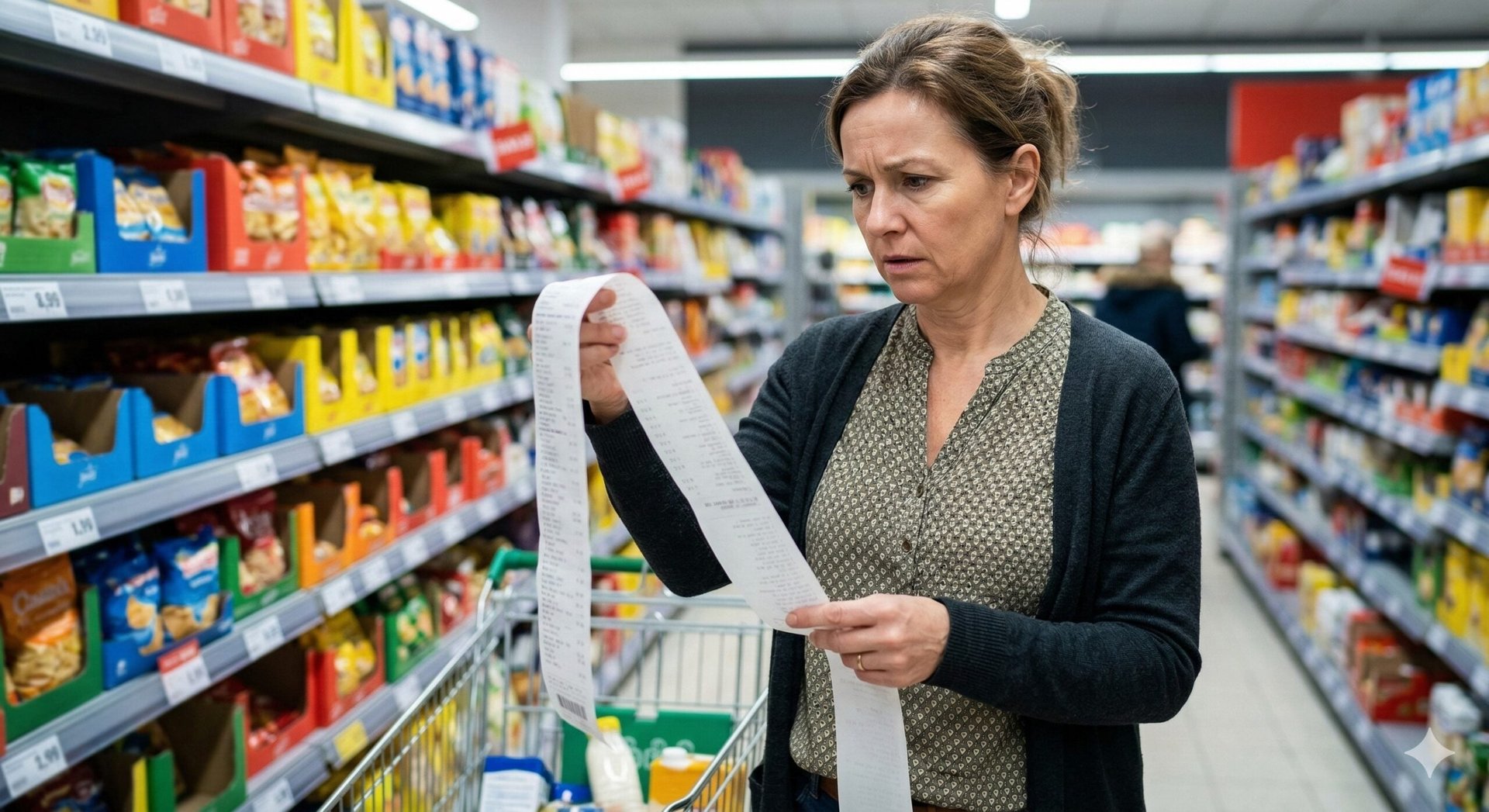

You might think a military conflict halfway across the globe has nothing to do with the price of your breakfast cereal. I’m here to tell you that’s a dangerous illusion.
Global supply chains are fragile, and the ongoing situation with Iran is already sending shockwaves through the commodities market. When the Middle East sneezes, your local supermarket catches a cold.
It isn’t just about the price of gas at the pump. We’re talking about the fundamental building blocks of how food is grown, packaged, and shipped.
If you’re wondering why your checkout total is about to climb again, here are the five main reasons.
How the conflict hits your wallet
1. Freight costs are climbing: The Strait of Hormuz is a bottleneck for global energy. With military actions threatening this corridor, oil prices become volatile.
Tractors don’t run on good intentions, and neither do the trucks delivering produce to your local store. When crude oil prices jump, the diesel surcharges that trucking companies pay go up immediately. Those extra transportation costs are passed straight to you at the checkout counter.
2. Fertilizer is getting choked off: You can’t grow cheap food without fertilizer. Right now, a huge chunk of the world’s fertilizer ingredients, including ammonia and nitrogen, passes through the Gulf.
According to The Guardian, between a quarter and a third of the global trade in these raw materials relies on that strait. If farmers have to pay a premium to fertilize their crops, the yield drops and the prices for basics like bread, pasta, and potatoes will inevitably surge.
3. Shipping insurance is going through the roof: Nobody wants to send a massive cargo vessel into a conflict zone without ironclad insurance. The problem is that maritime insurers are hiking their rates drastically. Some industry experts are seeing war risk cover for vessels operating in the Gulf jump by 50% to 100%.
Importers aren’t going to eat that cost. They’re going to bake it into the wholesale price of whatever is inside those shipping containers, including imported foods.
4. Ships are taking the long way around: When certain routes become too dangerous, cargo ships are forced to reroute. Taking a detour adds weeks to a journey. For the agricultural sector, time is money.
Longer routes mean more fuel burned, higher wages for the crew, and a higher risk of spoilage for perishable goods. All of this inefficiency destroys profit margins, forcing food distributors to hike prices just to break even.
5. Petroleum-based packaging is getting pricier: Walk down any aisle and look at how your food is wrapped. Plastic clamshells for berries, shrink-wrap for meat, and heavy-duty bags for rice all rely on petroleum.
As oil prices react to the Middle East tension, the cost of manufacturing plastic packaging rises. You aren’t just paying more for the food itself. You’re paying a premium for the plastic container holding it.
How to protect your budget
I know this sounds grim, but you don’t have to just accept higher bills. Start shifting your menu toward domestic, shelf-stable staples that don’t rely on overseas shipping or heavy plastic packaging.
Buy in bulk where you can, and lean into items that historically resist inflation. You also need to rethink how you shop, from planning meals to knowing the best times to hit the store.
For a great starting point, check out our inflation-proof grocery list to see exactly what you should be putting in your cart right now to weather the storm.
Read the full article here