

Generating meaningful supplemental income does not always require a high-tech lab, an advanced degree, or a massive upfront investment.
Many successful American inventors built profitable businesses by solving minor annoyances or simply creating a product that captured the public’s imagination. They took ordinary materials, applied a twist of creativity, and turned small initial bets into real income.
1. Pet rocks
In the mid-1970s, freelance copywriter Gary Dahl listened to his friends complain about the endless chores of pet ownership. He joked that the perfect pet would be a rock. It required no food, no grooming, and no early morning walks.
Instead of letting the joke die at the bar, Dahl treated it like a serious product launch. He purchased smooth stones from a builder’s supply store for pennies apiece. He then designed custom cardboard carriers with air holes and wrote a highly detailed, satirical training manual instructing owners on how to teach their stones to sit and stay.
Dahl sold the rocks for a few dollars each. Within months, he moved millions of units. The novelty was not the stone itself, but the clever packaging and the shared social experience. Dahl recognized that consumers were willing to pay for a laugh. By the time the fad faded a year later, the brief surge in sales likely set him up comfortably for years to come.
2. Canine goggles
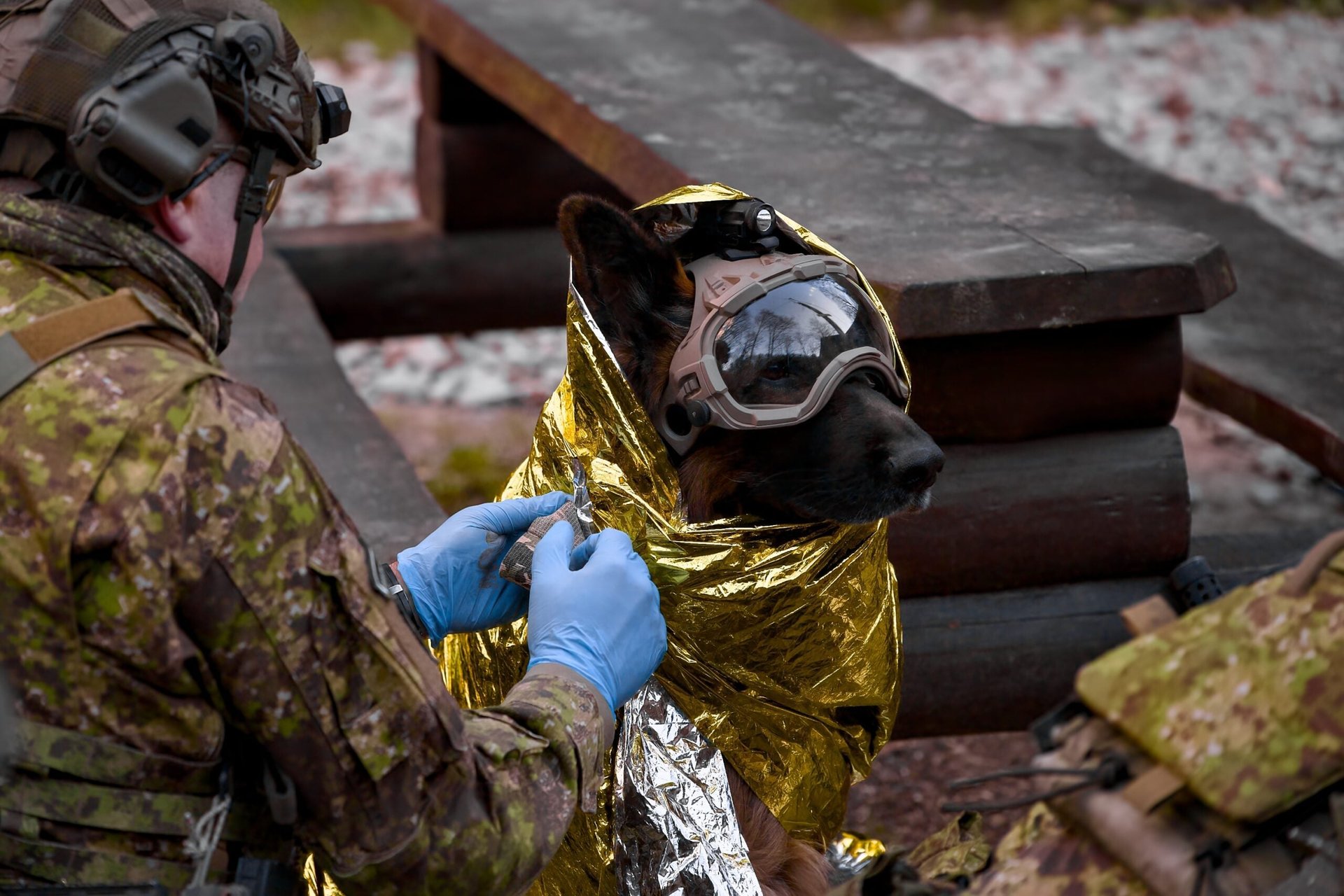
Roni Di Lullo was playing fetch with her border collie in 1997 when she noticed the dog constantly missing the toy. The late afternoon sun was blinding him. She wondered why her dog could not wear protective eyewear just like she did.
She experimented with sports goggles and human sunglasses before designing a custom pair specifically shaped to accommodate a canine head and snout. Di Lullo invested her own savings into a computer-aided design program and manufactured the first batch of specialized goggles.
What started as a quirky side project to help her pet quickly gained commercial traction. The company expanded into a global brand, generating millions in sales as pet owners realized the practical benefits of protecting their dogs’ eyes from ultraviolet light, debris, and wind. The U.S. military even deployed the eyewear to protect working dogs during harsh desert operations.
3. Slap bracelets
A high school shop teacher named Stuart Anders was playing with a piece of steel ribbon in his father’s workshop in 1983. He noticed that the flexible metal coiled around his wrist abruptly when tapped.
Anders covered the sharp steel with colorful, patterned fabric, creating a wearable accessory. Initially, major toy companies rejected the concept. They viewed it as a cheap trinket with low profit margins that lacked long-term play value. Anders persisted, eventually partnering with a smaller toy manufacturer willing to take a risk.
The bracelets debuted at a New York toy fair and became an immediate sensation. Retailers placed massive orders, and the flexible bands dominated schoolyards across the country. The fad generated millions of dollars before competitors flooded the market with cheaper, unauthorized imitations.
4. Plastic wishbones
Thanksgiving dinner often ends with a minor dispute over who gets to snap the turkey’s wishbone. In 1999, Seattle resident Ken Ahroni decided everyone at the table deserved a chance to make a wish, regardless of how many birds were cooked.
Ahroni spent years developing a synthetic wishbone that looked realistic, snapped unpredictably, and sounded just like the real thing. He launched his company and began manufacturing the plastic bones in a local factory, ensuring strict quality control over his invention.
The concept sounded ludicrous to critics, but party stores and major retailers quickly stocked the item. Ahroni built a profitable niche business, selling millions of wishbones globally.
He later successfully defended his patent in federal court against a major corporate retailer, securing a $1.7 million judgment and proving the value of his unique intellectual property.
5. Silicone bands
Robert Croak attended a trade show in China and noticed a vendor handing out poorly shaped silicone bands. He brought the samples back to his Ohio office and pitched a new idea: Refine the shapes, market them as collectible bracelets for children, and sell them in themed packs.
His team was highly skeptical, but Croak moved forward with manufacturing. The initial rollout was intentionally slow. He focused on direct-to-consumer online sales and targeted smaller local retailers rather than fighting for shelf space in national big-box stores right away.
The strategy worked, resulting in Silly Bandz. The colorful silicone bands came in hundreds of shapes that became popular with kids. At the peak of the craze, Croak’s company scaled from a dozen employees to hundreds to keep up with demand. Silly Bandz drove hundreds of millions of dollars in retail sales.
Small bets, big returns
These quirky success stories offer practical lessons about generating income that go beyond just getting lucky. The most successful creators start with relatively low-cost prototypes and test their ideas before committing to expensive manufacturing.
Protecting your intellectual property is equally critical. Securing a patent ensures that even a simple novelty item holds its financial value, protecting your profits from inevitable copycats.
Finally, it helps to recognize the reality of market trends. Fads often fade quickly, but a well-timed product can generate meaningful revenue in a short period if you strike when demand is high. These stories show that income opportunities do not always come from complex businesses. Sometimes they come from recognizing a niche and acting quickly.
If you don’t think you’re the creative type, let someone else do the heavy lifting. Get some advice from a pro if you have over $100,000 in savings. SmartAsset offers a free service that matches you to a vetted, fiduciary advisor in less than five minutes.
Read the full article here